

fireplace8240
About fireplace8240
10 Meetups On Traditional Fireplaces UK You Should Attend
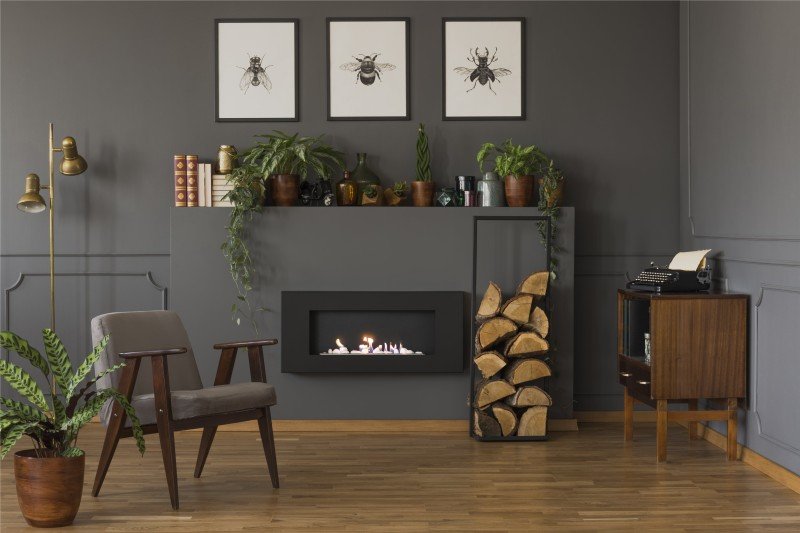
The Enduring Charm of Traditional Fireplaces in the UK
Conventional fireplaces have long been a staple of British homes, evoking memories of comfortable winter nights and the crackling warmth of a household event. As home design evolves, the enduring appeal of these hearths still holds an unique place in the hearts of numerous. This article explores the abundant history, types, benefits, and maintenance of traditional fireplaces in the UK, together with responses to some often asked concerns.
A Brief History of Fireplaces in the UK
Fireplaces have actually been a part of human history for centuries, but their function in British homes has changed over the centuries. Initially, open fires were used for cooking and heating, but as the innovation advanced, so did the design and functionality of fireplaces.
- Middle ages Period: Open hearths were common, often discovered in the centre of a home, where households would collect.
- 16th Century: The introduction of chimneys enabled more effective smoke ventilation, leading to a shift towards more trendy designs.
- 18th Century: The Georgian era saw the popularity of cast iron grates and elaborate surrounds, showing the age’s rising abundance.
- Victorian Era: Fireplaces ended up being fancy, with architectural information that showcased craftsmanship, turning them into a centerpiece of the home.
Today, conventional fireplaces are valued for their aesthetic beauty and cultural significance, representing comfort and heat.
Types of Traditional Fireplaces in the UK
When thinking about a traditional fireplace, house owners in the UK have numerous alternatives, each with its special qualities and appeal. The following table outlines some of the most popular types:
| Type | Description | Fuel Source | Pros | Cons |
|---|---|---|---|---|
| Open Hearth | A traditional fireplace design with no grate or insert, generating a warm glow. | Wood or coal | Visual appeal, ambiance, and a rustic feel. | Inefficient heat use and smoke emissions. |
| Cast Iron | Features elaborate designs, generally with a prominent fireplace grate. | Wood or gas | Excellent heat retention and elegant appearance. | Heavier, might require professional installation. |
| Bricked Hearth | Constructed using bricks, typically with a traditional mantelpiece. | Wood, coal, or gas | Durable and personalized to match home décor. | Requires experienced craftsmanship; installation can be costly. |
| Inglenook | A big, recessed fireplace created to develop a comfortable nook. | Wood or coal | Inviting and roomy, ideal for big rooms. | Takes up considerable space; may be tough to clean. |
| Tiled Fireplace | Features decorative tiles that include character and design. | Wood, coal, or gas | Visual variety and personalization choices. | Tiles can be expensive to change or repair. |
Benefits of Traditional Fireplaces
While contemporary heating services like central heating and electrical fires have actually become commonly popular, traditional fireplaces use unique advantages that make them desirable options. Here are some key benefits:
-
Aesthetic Appeal
- Traditional fireplaces include appeal and a touch of history to any home.
- They can act as a focal point in living spaces, boosting overall interior style.
-
Increased Home Value
- A properly maintained fireplace can increase a residential or commercial property’s value, making it more attractive to prospective buyers.
- Many homebuyers view a traditional fireplace as a preferable feature.
-
Eco-Friendly Heating
- Using wood or coal is typically thought about more environmentally friendly compared to fossil fuels, depending on sourcing and usage.
- Opting for sustainably sourced fire wood can minimize carbon footprints.
-
Cultural Significance
- Fireplaces typically end up being the heart of the home, offering a meeting place for household and friends.
- They represent comfort, tradition, and a sense of belonging.
-
Alternative Heating Source
- During power outages or severe weather conditions, a conventional fireplace can supply reputable heating.
Maintenance Tips for Traditional Fireplaces
Maintaining a traditional fireplace is paramount for safety, efficiency, and visual appeal. Here’s a list of maintenance ideas to keep in mind:
-
Regular Cleaning
- Tidy the fireplace and chimney regularly to prevent soot buildup and chimney fires.
- Think about hiring a professional chimney sweep at least as soon as a year.
-
Check for Damage
- Inspect the fireplace for fractures, creosote accumulation, or other indications of wear and tear.
- Attend to any issues immediately to avoid further damage.
-
Usage Proper Fuel
- Use seasoned wood or high-quality coal to make sure efficient burning and minimize smoke.
- Avoid burning plastics or dealt with woods, as they can launch hazardous toxic substances.
-
Install Glass Doors
- Consider adding glass doors to your fireplace to help keep heat and lower the risk of stimulates escaping.
-
Utilize a Fire Screen
- A fire screen helps secure the space from cinders while including style.
FREQUENTLY ASKED QUESTION
Q1: Is it legal to have a traditional fireplace in a contemporary home?
Yes, property owners can legally have traditional fireplaces, but it’s vital to stick to local structure guidelines and safety requirements, particularly concerning ventilation and emissions.
Q2: How frequently should I have my chimney cleaned?
It is recommended to have your chimney cleaned up a minimum of when a year, particularly if you utilize the fireplace frequently. If you burn wood, more frequent cleansings may be needed.
Q3: What kind of wood is best for burning?
Experienced hardwoods, such as oak, beech, and ash, are chosen for burning due to their greater energy content and lower smoke emissions.
Q4: How can I increase the effectiveness of my traditional fireplace?
To enhance efficiency, ensure your chimney is clean, use experienced wood, and consider installing a fireplace insert that can increase heat output while lowering heat loss.
Q5: Can I convert my standard fireplace to gas?
Yes, many conventional fireplaces can be converted to gas. This conversion must be carried out by a qualified professional to make sure security and compliance with regulations.
Standard fireplaces hold a classic charm that resonates deeply within the British cultural landscape. They not just offer heat and ambiance but also work as a sign of connection to home and heritage. By understanding the various types, benefits, and upkeep suggestions, homeowners can protect the beauty and function of these valued features for generations to come. As the seasons change and the temperature levels drop, the golden radiance of a conventional fireplace continues to guarantee comfort and heat, making it an invaluable possession in any home.
No listing found.